
7 Mistakes Silently Slowing Your Portland Injury Recovery
Most Portland injury patients are doing everything they think is right — resting, taking pain relievers, waiting to feel better. Yet their Portland injury recovery drags on for months longer than it should. The problem usually isn’t effort. It’s a handful of specific, avoidable mistakes that compound quietly until weeks of unnecessary healing time have passed.
This guide covers the seven most common ones, why each causes real tissue-level harm, and what to do differently starting today.

Why Recovery Mistakes Are So Common After Portland Injuries
Patients rarely receive practical guidance on what not to do after an injury. Discharge instructions from a Portland ER focus on red-flag symptoms, not daily behavior. That gap leaves well-intentioned people making small decisions — sitting too long, skipping appointments, underreporting pain — that silently extend their recovery timeline. Each mistake listed below is one we see regularly in clinical practice.
Mistake #1: Waiting Too Long to Seek Care After Symptoms Appear
Adrenaline masks pain immediately after an accident. Many Portland patients spend a day or two monitoring symptoms, then wait another week for a primary care appointment. By then, soft tissue inflammation has set in and the body has begun compensating with altered movement patterns that create secondary strain.
The clinical window that matters most is 72 hours. Within that period, early mobilization and spinal assessment can interrupt the inflammatory cascade before scar tissue begins forming in ligaments and muscles. Portland ER wait times — often several hours for non-emergency injuries — push many patients toward a “wait and see” approach that costs them weeks of recovery. Knowing what to do immediately after a Portland collision can make a meaningful difference in how quickly your body heals.
Mistake #2: Stopping Treatment the Moment Pain Disappears
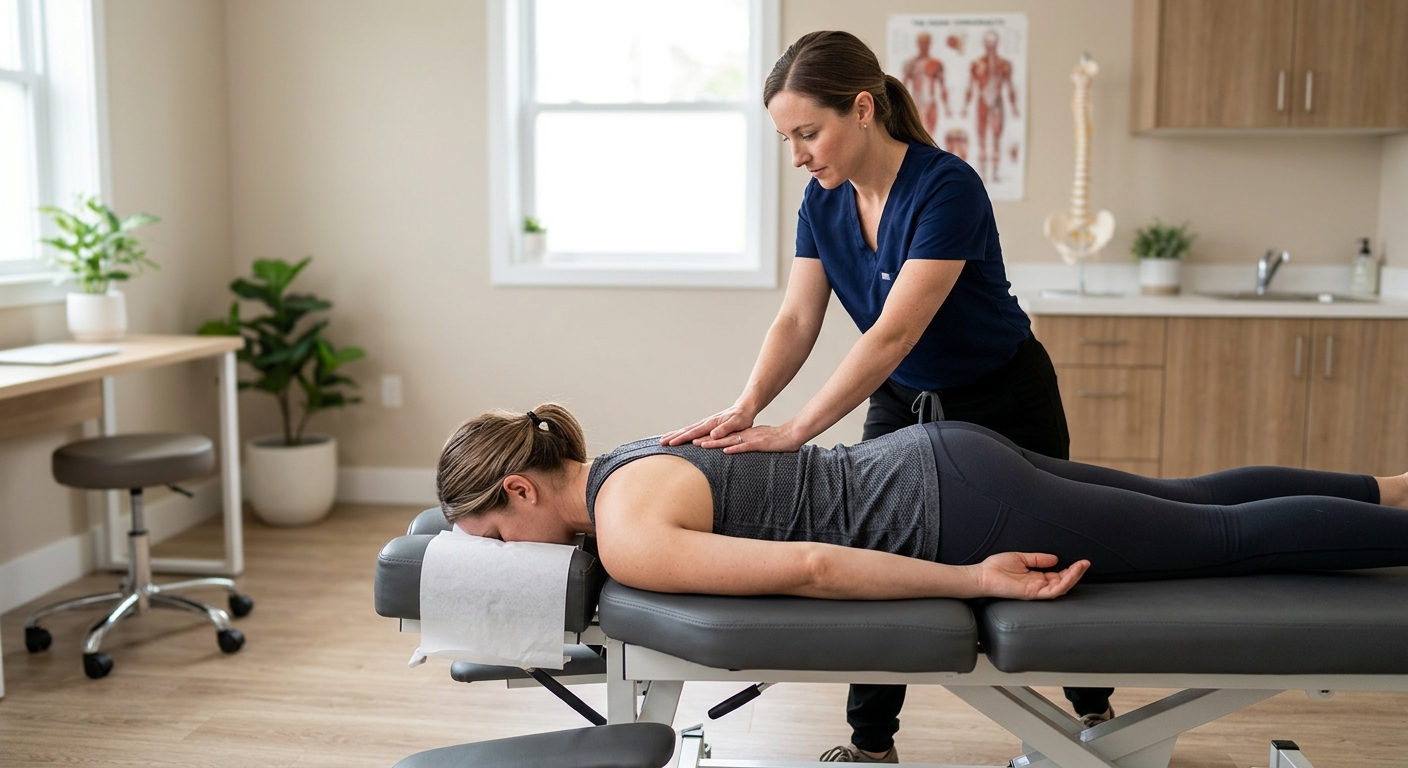
Pain relief and tissue healing are not the same event. Pain typically subsides during the proliferative phase of healing, when the body lays down new collagen fibers. But those fibers are disorganized and fragile. The remodeling phase — when tissue actually regains strength and proper alignment — continues for weeks or months afterward.
Stopping chiropractic care at the first sign of comfort leaves that remodeling phase unsupported. The result is chronic instability, re-injury risk, and the kind of recurring pain that Portland cyclists and trail runners know well after returning to their Forest Park routes or Springwater Corridor rides too soon. The real timelines for Portland accident chiropractic recovery are longer than most patients expect — and completing that arc matters.
Mistake #3: Ignoring Activity Modifications During Recovery
Portland’s outdoor culture is one of its best qualities. It also creates a specific recovery problem. Patients who feel 60% better often assume they can return to paddleboarding on the Willamette, trail running in Forest Park, or weekend hikes on Mount Tabor. High-impact activity before tissue has remodeled re-injures the same structures that were just beginning to heal.
Sedentary habits cause equal damage in the opposite direction. Portland’s strong remote-work culture — particularly in the Pearl District and Alberta Arts District tech and creative communities — means many patients sit for five or six unbroken hours at a desk. Prolonged static postures compress healing spinal discs and restrict blood flow to injured soft tissue. Carrying a heavy messenger bag on one shoulder, sleeping in a flexed fetal position, and skipping prescribed movement breaks all contribute to setbacks that feel mysterious but have clear mechanical causes.
Mistake #4: Underreporting Symptoms to Your Provider
A pattern seen consistently in Portland chiropractic practice: patients downplay symptoms because they don’t want to seem dramatic, they want to be “easy” patients, or they assume minor discomfort is normal and not worth mentioning. This is one of the most damaging mistakes in Portland injury recovery.
Treatment plans are calibrated to reported symptoms. If a patient reports 3/10 pain when their functional limitation is actually 6/10, the provider adjusts less aggressively, prescribes fewer home exercises, and discharges earlier than the injury warrants. If a personal injury claim is involved, undertreated injuries are also harder to document — which can affect settlement outcomes. Honest, specific symptom reporting is not complaining. It is the data your provider needs to treat you correctly.
Mistake #5: Neglecting Nutrition, Hydration, and Sleep

Tissue repair is a biological process with real nutritional requirements. Collagen synthesis — the mechanism by which tendons, ligaments, and spinal discs rebuild — depends on adequate protein intake and vitamin C. Anti-inflammatory foods like leafy greens, fatty fish, and berries support the healing environment. Dehydration directly impairs intervertebral disc health, since spinal discs rely on water content for shock absorption and nutrient exchange.
Portland’s coffee culture is well-documented. Chronic high caffeine intake disrupts sleep architecture, and poor sleep is one of the most underappreciated recovery barriers in clinical practice. Growth hormone — the primary driver of tissue repair — is released during deep sleep. Patients in Portland’s tech and creative industries often report irregular sleep schedules that quietly slow healing without any obvious connection to their injury. If you are averaging fewer than seven hours of quality sleep during recovery, your body is working with reduced repair capacity every single night.
Mistake #6: Mismanaging Oregon PIP Insurance
Oregon’s Personal Injury Protection (PIP) insurance is a no-fault benefit — meaning it pays for your medical treatment regardless of who caused the accident, without affecting your premium for using it. Despite this, many Portland patients either don’t know PIP exists, assume they must pay out of pocket, or delay filing because they’re confused by the process.
The practical consequence of that delay is a gap in documented treatment. Insurance adjusters and attorneys evaluate claims based on a continuous, well-documented treatment record. Gaps — even ones caused by administrative confusion rather than clinical improvement — are interpreted as evidence that the injury wasn’t serious. Understanding how Oregon motor vehicle PIP insurance works before you need it is the best preparation. PIP covers chiropractic care up to your policy limits with no upfront cost to you, and using it correctly protects both your health and your claim.
Mistake #7: Relying Solely on Pain Medication Without Rehab
Over-the-counter NSAIDs like ibuprofen and naproxen reduce inflammation and mask pain. They do not restore spinal alignment, rebuild muscular support around injured joints, or retrain the neuromuscular patterns disrupted by the accident. Prescription pain medication does even less for structural recovery while adding dependency risk.
Patients who manage symptoms with medication alone often feel functional enough to resume normal activity before the underlying injury has stabilized. That’s when re-injury happens. Active rehabilitation — including chiropractic adjustments, prescribed movement, and targeted soft tissue work — addresses the mechanical causes of pain, not just the sensation of it. Medication has a legitimate role in acute pain management, but it should run parallel to rehabilitation, not replace it.

What Portland Injury Patients Should Do Instead: A Recovery Checklist
Avoiding these mistakes doesn’t require perfection. It requires a few consistent habits:
- Seek evaluation within 72 hours of any injury, even if symptoms seem mild.
- Attend all scheduled appointments and complete your full treatment plan, not just the pain-relief phase.
- Report every symptom honestly — location, intensity, what makes it better or worse, and how it affects daily function.
- Follow your home exercise protocol between appointments; in-office care is amplified by consistent at-home movement.
- Ask your provider before resuming physical activity — trail running, cycling, paddleboarding, gym training — rather than guessing based on how you feel.
- Take movement breaks every 45 to 60 minutes during remote work sessions to reduce disc compression and maintain circulation.
- Prioritize sleep, protein, and hydration as active recovery tools, not afterthoughts.
- File and use your PIP benefits promptly so your treatment record is continuous and well-documented.
Recovery Is a Process, Not a Destination
Portland injury recovery rarely fails because patients don’t care. It fails because no one told them which specific behaviors were quietly working against them. The mistakes above are common, well-documented, and entirely avoidable once you know what to look for.
Tissue heals on its own schedule, but that schedule is shaped by the conditions you create around it. Consistent care, honest communication, smart activity management, and proper nutrition give your body what it needs to complete the process fully — not just enough to feel okay for a few weeks before symptoms return.
At your next appointment, bring this list. Ask which of these mistakes might be affecting your specific case. Advocating for yourself within the treatment relationship is not a burden on your provider — it is how the best outcomes happen.
Talk to Premier Care Chiropractic About Your Recovery
Premier Care Chiropractic has been treating Portland injury patients since 2016. Our board-certified Chiropractic Sports Physician and licensed chiropractic physicians work specifically with accident-related injuries, Oregon PIP billing, and the kind of soft tissue cases where recovery mistakes are most costly. Same-day appointments are available, and there are no upfront costs when PIP insurance applies.
If your recovery feels stalled — or you want to make sure you’re not making any of the mistakes above — call us at 971-544-7058.