
Portland Auto Injury Chiropractor: What to Do First
If you were just in a car accident in Portland, you need two things quickly: a medical evaluation and documentation of your injuries. Oregon law gives you a specific window to act, and how you use the first 72 hours affects both your recovery and your insurance claim. An auto injury chiropractor in Portland, OR can provide same-day evaluation, begin treatment, and bill directly through your Personal Injury Protection (PIP) insurance — with no out-of-pocket cost to you at the start.
This guide covers exactly what to expect: the injuries most common after Portland-area accidents, how Oregon PIP insurance works, and what a real treatment process looks like from day one through discharge.
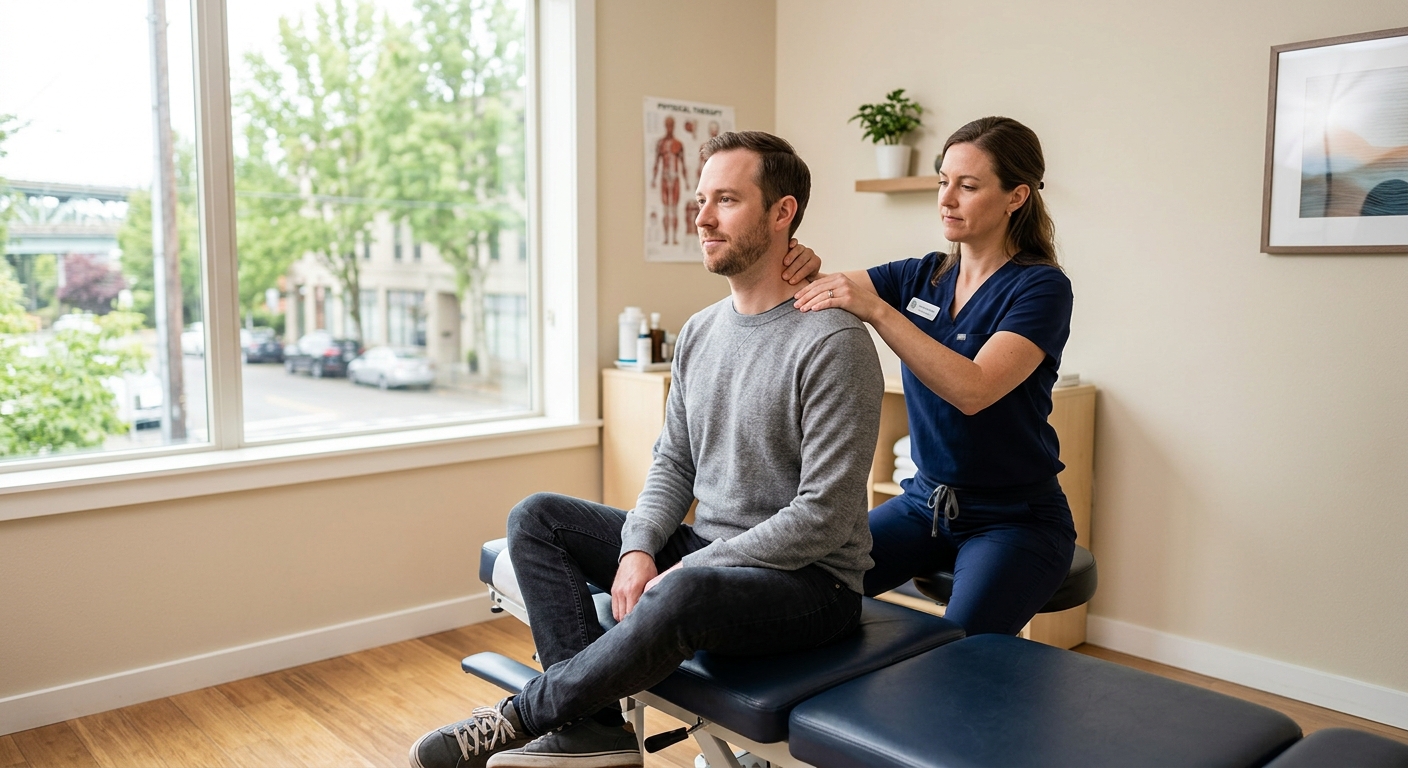
Immediate Post-Accident Care in Portland
Portland’s major accident corridors — I-5, I-84, and I-205 — see high collision rates year-round, and wet pavement from October through April increases stopping distances and impact severity. After any collision, get checked even if you feel fine. Soft tissue injuries, including whiplash, often don’t produce noticeable pain until 24–72 hours later due to post-trauma adrenaline.
If you have head trauma, loss of consciousness, or severe pain, go to an emergency room first. Legacy Emanuel, OHSU, and Providence Portland Medical Center are the main trauma-level facilities in the metro area. Once you’re cleared of emergencies, a chiropractic evaluation documents musculoskeletal injury in detail — something ER imaging often misses because it focuses on fractures and internal bleeding, not soft tissue.
For non-emergency injuries, you can go directly to a chiropractic office. Oregon does not require a physician referral to see a chiropractor, so there’s no gatekeeping between you and care.
Common Auto Injuries Treated After Portland Accidents

The injuries seen most often after Portland-area collisions include:
- Whiplash (cervical acceleration-deceleration injury): Rapid forward-backward movement strains the muscles and ligaments of the neck. Symptoms include neck pain, headaches, shoulder tension, and cognitive fog.
- Lumbar sprain/strain: Low back pain from the compression and torque of impact. Common in rear-end and side-impact collisions.
- Thoracic outlet syndrome: Nerve and vascular compression between the collarbone and first rib, often triggered by seatbelt force.
- Disc herniations: Impact can push spinal disc material outward, compressing nearby nerves. This produces radiating pain, numbness, or weakness into the arms or legs.
- Concussion: Even low-speed impacts can cause mild traumatic brain injury. Chiropractic care addresses the cervical component; we coordinate with neurologists when indicated.
Recovery timelines vary. Mild whiplash often resolves in 6–8 weeks with consistent treatment. Disc injuries or cases involving pre-existing degeneration may require 3–6 months. You’ll receive a realistic timeline at your first visit, not a one-size estimate.
Oregon PIP Insurance: Your Complete Guide
Oregon is a Personal Injury Protection (PIP) state. PIP is a mandatory component of every Oregon auto insurance policy. It pays for your medical treatment regardless of who caused the accident — your own insurer covers you first, without waiting for fault to be determined.
Oregon’s minimum PIP benefit is $15,000 per person, covering medical expenses for up to two years after the accident date. Many policies carry higher limits. PIP covers chiropractic care, massage therapy, and other rehabilitative services when they are medically necessary and properly documented.
Key things to know about Oregon PIP billing:
- You do not need to pay upfront. The provider bills your PIP carrier directly.
- You must report the accident to your insurer promptly and open a PIP claim before treatment begins.
- PIP is separate from liability coverage. Even if the other driver was at fault, your PIP pays first.
- If your PIP is exhausted and a third party was at fault, your attorney can pursue additional recovery through their liability coverage.
The team at Premier Care Chiropractic has worked with Oregon PIP claims since 2016 and handles the billing and documentation process directly with your insurer. You focus on recovery; the administrative work is managed on your behalf.

What the Auto Injury Treatment Process Looks Like
A structured auto injury treatment plan has distinct phases. Understanding them helps you set realistic expectations.
Phase 1 — Acute care (weeks 1–3): The goal is reducing inflammation, managing pain, and restoring basic range of motion. Treatment typically includes spinal manipulation, soft tissue therapy, and ice/heat protocols. Appointments are frequent — often 3 times per week.
Phase 2 — Rehabilitative care (weeks 4–8+): Once acute inflammation subsides, the focus shifts to restoring normal movement patterns and strengthening supporting muscles. Frequency decreases as your body stabilizes.
Phase 3 — Functional restoration: The final phase addresses any residual restrictions and prepares you to return fully to daily activities. For Portland patients who commute by bike, use TriMet, or have physically demanding jobs, this phase is tailored to your specific functional demands.
Documentation throughout every phase is critical — both for your recovery and for any legal claim. If your case involves significant injury, we can coordinate with Portland-area personal injury attorneys who work on a contingency basis, meaning no legal fees unless you recover compensation.
Why Experience With Auto Injuries Specifically Matters
General chiropractic care and auto injury rehabilitation are not the same discipline. Auto injury cases require detailed injury documentation, familiarity with PIP billing codes, and knowledge of how to communicate findings to insurers and attorneys. Board-certified Chiropractic Sports Physicians, like those at Premier Care, receive advanced training in musculoskeletal trauma that directly applies to accident injuries.
Premier Care Chiropractic has treated Portland auto accident victims for over 15 years. That depth of experience with Oregon PIP processes and local referral networks makes a practical difference in how smoothly your case moves forward.
Portland Location and Getting Here
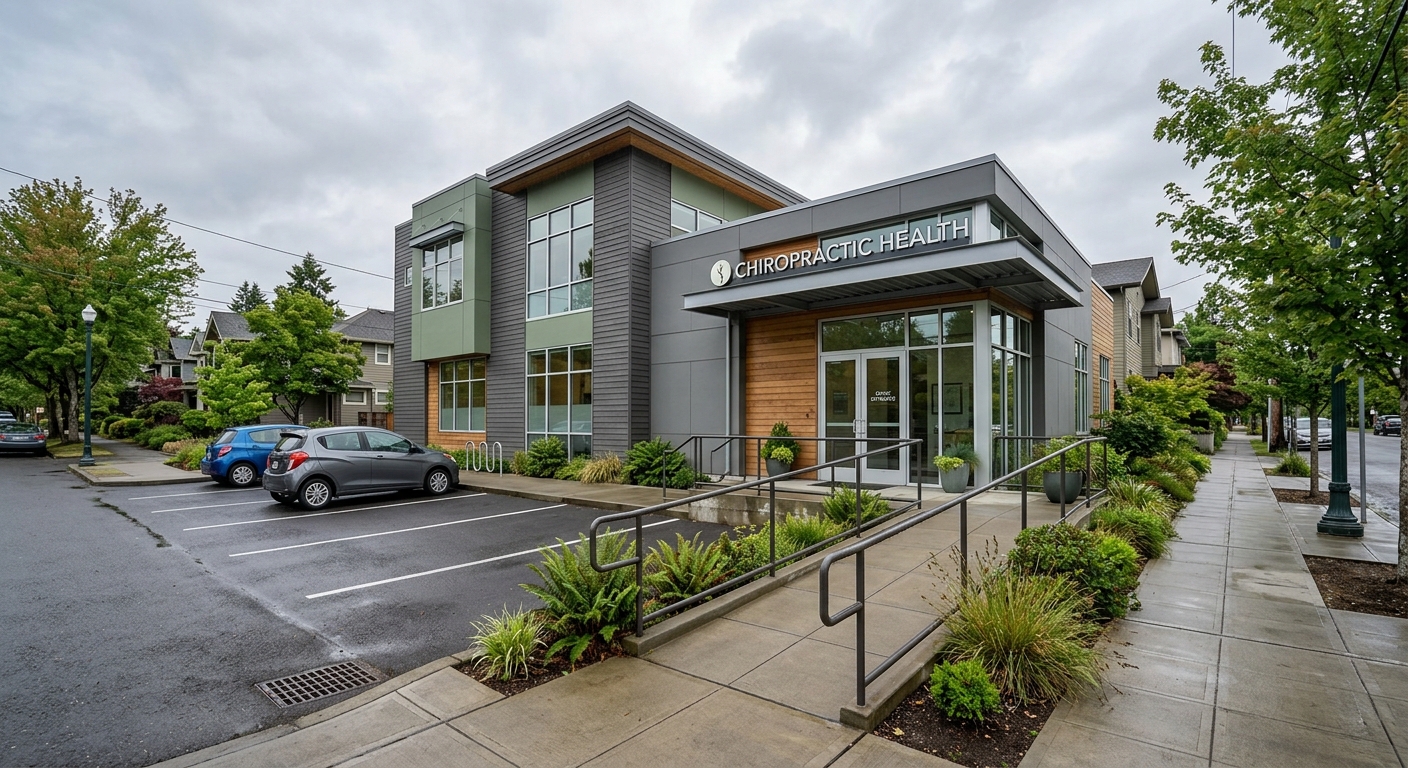
The clinic is accessible by TriMet bus lines and MAX light rail. If you’re driving, parking is available on-site. Same-day appointments are offered for accident victims — you don’t need to wait days for an intake slot when injuries need early documentation.
If you were in a collision on I-205 near the Gateway District, on I-84 through the Lloyd District, or anywhere along I-5 through North or South Portland, the clinic’s location is designed to be a practical option without adding a long drive to an already stressful day.
Frequently Asked Questions
How soon after an accident should I be seen? Within 72 hours is ideal for documentation purposes. Oregon PIP covers treatment for up to two years, but early evaluation strengthens your medical record.
What if I don’t have Oregon PIP? If you were hit by an at-fault driver, their liability insurance may cover your care. We can discuss your specific situation at your first visit.
Do I need a referral? No. Oregon does not require a physician referral to receive chiropractic care.
Will the rainy Portland weather affect my recovery? Cold, damp conditions can increase muscle tension and slow soft tissue healing. Your treatment plan will account for seasonal factors, including home care recommendations suited to Portland’s climate.
For more detail on what to expect from auto injury chiropractic care in Portland, the service page covers the full scope of treatment offered.
Schedule Your Same-Day Appointment
If you were in a recent accident and need an evaluation, Premier Care Chiropractic offers same-day appointments with no upfront cost when you have Oregon PIP coverage. Call 971-544-7058 to speak directly with the clinic and get scheduled today.