
If you’ve been in a car accident in Portland, the decisions you make in the first 72 hours can significantly affect your recovery and your insurance claim. This guide walks you through what to do immediately after a crash, how Oregon’s no-fault insurance system works, what injuries are commonly missed, and what a realistic recovery timeline looks like.
Immediate Steps After a Car Accident in Portland
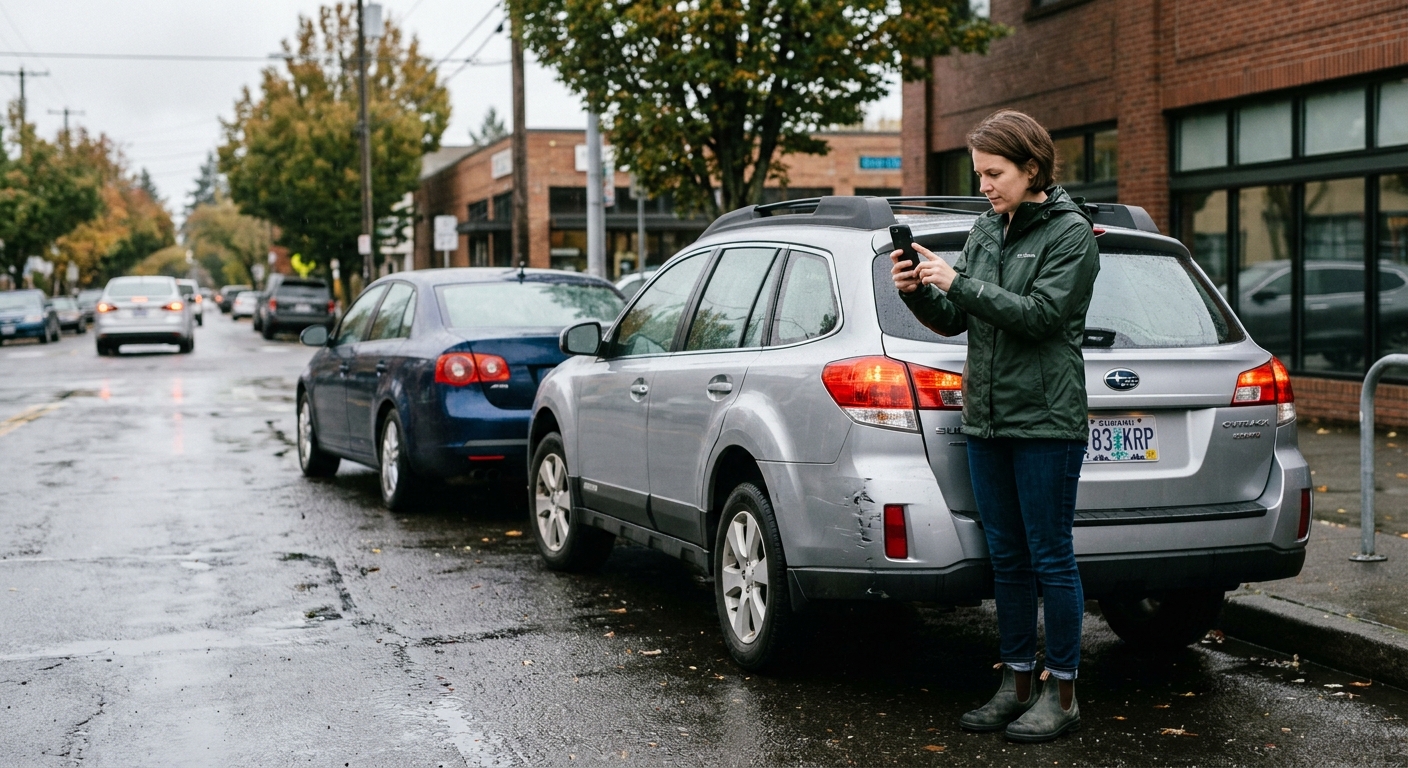
After a collision on corridors like I-5, I-84, or I-205 — Portland’s highest-volume accident zones — your first priority is safety, not paperwork. Move your vehicle out of traffic if possible and call 911. Oregon law requires you to report any accident involving injury or property damage over $2,500 to the Oregon DMV within 72 hours using Form 735-9229.
Document everything at the scene: photos of vehicle positions, visible damage, road conditions, and any relevant signage. Portland’s wet winters and frequent rain make road surface conditions a legitimate factor in fault determination — photograph those too.
Even if you feel fine immediately after the crash, seek a medical evaluation within 24–48 hours. Adrenaline commonly masks pain signals. Injuries like whiplash, soft tissue tears, and mild concussions often don’t produce noticeable symptoms until 24–72 hours post-impact.
Understanding Oregon PIP Insurance for Injury Care
Oregon is a no-fault state, which means your own auto insurance pays for your initial injury care regardless of who caused the accident. This coverage is called Personal Injury Protection, or PIP. Oregon law requires a minimum of $15,000 in PIP benefits per person, covering medical expenses, lost wages, and essential services.
PIP pays your medical providers directly — you do not need to pay out of pocket while your claim is active. This applies to chiropractic care, physical therapy, massage therapy, and specialist referrals, as long as treatment is deemed medically necessary. There are no deductibles under PIP for medical expenses.
One detail many Portland accident victims miss: PIP has a one-year statute of limitations from the date of the accident. If you delay care and miss that window, your insurer may deny coverage for treatment costs. Starting care promptly protects both your health and your claim.
For a deeper look at how PIP works with chiropractic treatment, see our overview of auto injury chiropractic care in Portland.
Common Car Accident Injuries and Why Some Are Delayed
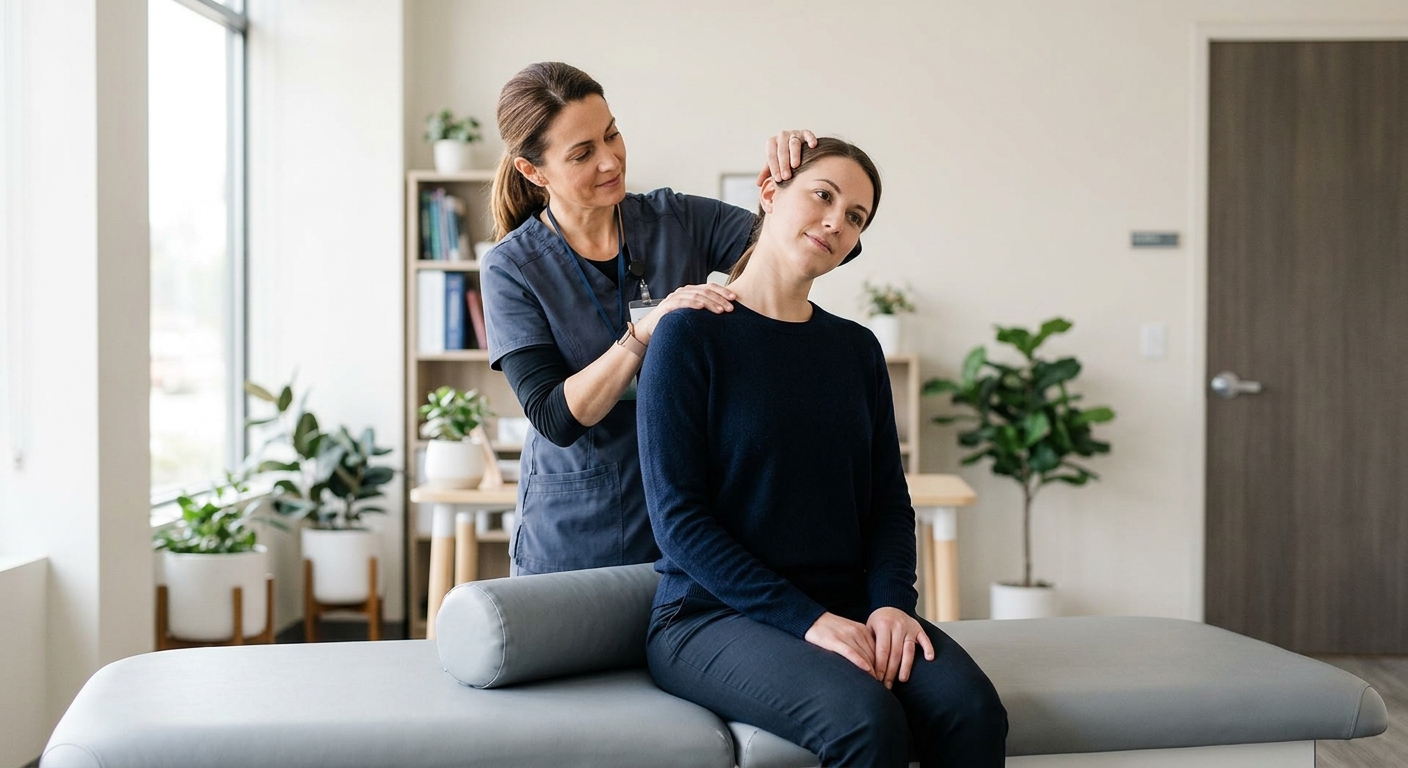
Portland traffic accidents most frequently produce the following injury patterns:
- Whiplash: Rapid forward-and-back neck movement that strains cervical ligaments and muscles. Symptoms — stiffness, headaches, arm tingling — often peak 48–72 hours after impact.
- Lumbar strain: Lower back muscle and ligament injuries, common in rear-end collisions where the seat absorbs force unevenly.
- Facet joint irritation: Small joints along the spine that become inflamed under sudden compression forces.
- Shoulder and rotator cuff injuries: Often caused by bracing against the steering wheel or seatbelt loading.
- Mild traumatic brain injury (mTBI): Concussion-level injuries that may present as brain fog, light sensitivity, or sleep disruption rather than obvious head pain.
Soft tissue injuries — damage to muscles, tendons, and ligaments — do not appear on standard X-rays. This is why a clinical examination focused on range of motion, neurological testing, and palpation is essential for a complete injury picture.
What Car Accident Injury Care Actually Involves
Effective car accident injury care in Portland typically combines several treatment types rather than relying on a single approach. Chiropractic adjustments address joint dysfunction and spinal alignment disrupted by impact forces. Manual therapy and massage treat the surrounding soft tissue — the muscles and fascia that tighten protectively after trauma.
When neurological symptoms are present (numbness, radiating pain, dizziness), referral to a physiatrist, neurologist, or orthopedic specialist may be appropriate. A good injury care provider coordinates with those specialists rather than treating in isolation.
Therapeutic modalities like electrical muscle stimulation, ultrasound therapy, and cold laser can reduce inflammation and accelerate tissue repair during the acute phase. Exercise rehabilitation becomes the focus in later recovery stages to restore strength and prevent re-injury.
Premier Care Chiropractic has worked with Portland accident patients since 2016. The clinic’s board-certified Chiropractic Sports Physician credential reflects advanced training specifically in musculoskeletal trauma — the category that covers most car accident injuries.
Treatment Timeline and Recovery Expectations

Recovery from car accident injuries generally follows three phases:
Acute phase (weeks 1–4): The focus is reducing inflammation and restoring basic range of motion. Treatment frequency is typically higher during this phase — often two to three visits per week. Pain is usually at its worst here.
Rehabilitative phase (weeks 4–12): As acute inflammation subsides, treatment shifts toward rebuilding strength and correcting movement patterns that developed in response to pain. Visit frequency decreases as the patient takes on more active exercises at home.
Functional restoration (weeks 12+): For moderate-to-severe injuries, this phase addresses any remaining functional limitations and prepares the patient to return to full activity. Some injuries — particularly those involving disc herniation or nerve involvement — may require longer timelines.
Mild soft tissue injuries often resolve within six to eight weeks with consistent care. More complex injuries can take three to six months. Your provider should be able to give you benchmarks at each phase so you can track progress objectively.
Working with Insurance and Legal Documentation
Accurate documentation from your first appointment forward is critical — both for your recovery and for any personal injury claim you may file. Your treatment records, diagnostic findings, and functional assessments form the medical foundation of your claim.
A provider experienced with Oregon PIP billing understands how to submit treatment notes that satisfy insurer requirements and support medical necessity determinations. Gaps in care or poorly documented records are two of the most common reasons insurers dispute injury claims.
If you are working with a Portland personal injury attorney, your care provider should be able to communicate directly with that attorney’s office, provide records in a timely manner, and document your functional limitations clearly. This coordination protects your legal options without requiring you to manage it yourself.
For more on how chiropractic documentation supports injury claims, visit our car accident chiropractor page for specifics on what we record and why.
If you have questions about the claims process itself, your PIP insurer’s claims department or a licensed Oregon personal injury attorney can advise you on steps specific to your situation. We also coordinate regularly with local attorneys and can provide referrals when needed.
Learn more about how our Portland auto injury chiropractic services are structured to support both your recovery and your documentation needs.
Schedule Car Accident Injury Care in Portland
Premier Care Chiropractic offers same-day appointments for accident victims and bills Oregon PIP insurance directly — no upfront costs while your PIP coverage is active. Call 971-544-7058 to schedule or ask questions about your coverage before committing to an appointment.