
Portland Collision Injury Care: What to Do First
After a collision in Portland, the most important thing you can do is get evaluated — even if you feel fine. Many collision injuries, including whiplash and soft tissue damage, don’t produce noticeable pain for 24 to 72 hours. Delayed symptoms are the rule, not the exception. This guide covers what Portland collision injury care actually involves: the injuries common to local traffic patterns, how Oregon’s PIP insurance works, what a proper assessment looks like, and realistic recovery timelines by injury type.
If you were just in an accident, Premier Care Chiropractic offers same-day appointments with no upfront costs when you have Oregon PIP coverage.
Common Collision Injuries in Portland Traffic
Portland’s collision injury patterns reflect its road geography. High-volume corridors like I-84, I-205, and the Burnside Bridge see frequent rear-end impacts — the primary cause of whiplash. Wet pavement from Portland’s rainy season increases stopping distances and contributes to higher-speed impacts than drivers expect.
The most common injuries seen after Portland collisions include:
- Whiplash-associated disorders (WAD): Strain to the cervical spine muscles and ligaments caused by rapid head movement during impact.
- Lumbar strain: Lower back muscle and disc injuries, common in both rear-end and side-impact collisions.
- Thoracic outlet syndrome: Nerve compression between the collarbone and first rib, often triggered by seatbelt forces.
- Concussion: Mild traumatic brain injury from head movement or contact, even without loss of consciousness.
- Facet joint irritation: Inflammation of the small joints along the spine that stabilize vertebral movement.
Injuries from low-speed impacts are frequently underestimated. Vehicle bumpers are designed to absorb impact, which means the force is often transferred directly to the occupant’s body rather than the car structure.

Immediate Steps After a Portland Car Accident
Oregon law requires you to report any collision involving injury or property damage exceeding $2,500 to the Oregon DMV within 72 hours using the Oregon Traffic Accident and Insurance Report form. Beyond the legal requirement, there are medical steps that protect both your health and any future insurance claim.
- Seek emergency care if needed. Symptoms like loss of consciousness, severe headache, numbness in limbs, or difficulty breathing require an ER visit. Providence, OHSU, and Legacy Emanuel are the primary trauma centers serving Portland.
- Document everything at the scene. Photographs, witness contacts, and a police report create the factual foundation for your injury claim.
- Notify your auto insurer promptly. Oregon PIP benefits require timely notification — delays can complicate coverage.
- Schedule a collision injury evaluation within 72 hours. Oregon’s statute of limitations for personal injury claims is two years, but medical documentation created close to the accident date carries significantly more weight.
Understanding Oregon PIP Insurance for Collision Injury Care
Oregon is a no-fault state for medical benefits. Personal Injury Protection (PIP) is mandatory on all Oregon auto policies and covers medical treatment regardless of who caused the accident. The minimum PIP benefit is $15,000 per person, covering reasonable and necessary medical expenses for up to one year from the accident date.
PIP pays first — before health insurance, before liability claims, before anything else. This means you receive treatment without waiting for fault to be determined. Chiropractic care, massage therapy, and diagnostic imaging are all covered under Oregon PIP when medically necessary.
Key PIP details Portland drivers often miss:
- You do not need to pay out of pocket while PIP is active.
- Your insurer cannot raise your rates for using PIP benefits after a collision that wasn’t your fault.
- If your medical costs exceed your PIP limit, a personal injury attorney can help pursue additional recovery from the at-fault driver’s liability coverage.
Many Portland collision injury patients work with personal injury attorneys alongside their medical providers. Attorneys typically work on contingency — no fee unless you recover — and can coordinate with your treating providers on medical liens when PIP coverage is exhausted.

What a Proper Collision Injury Assessment Includes
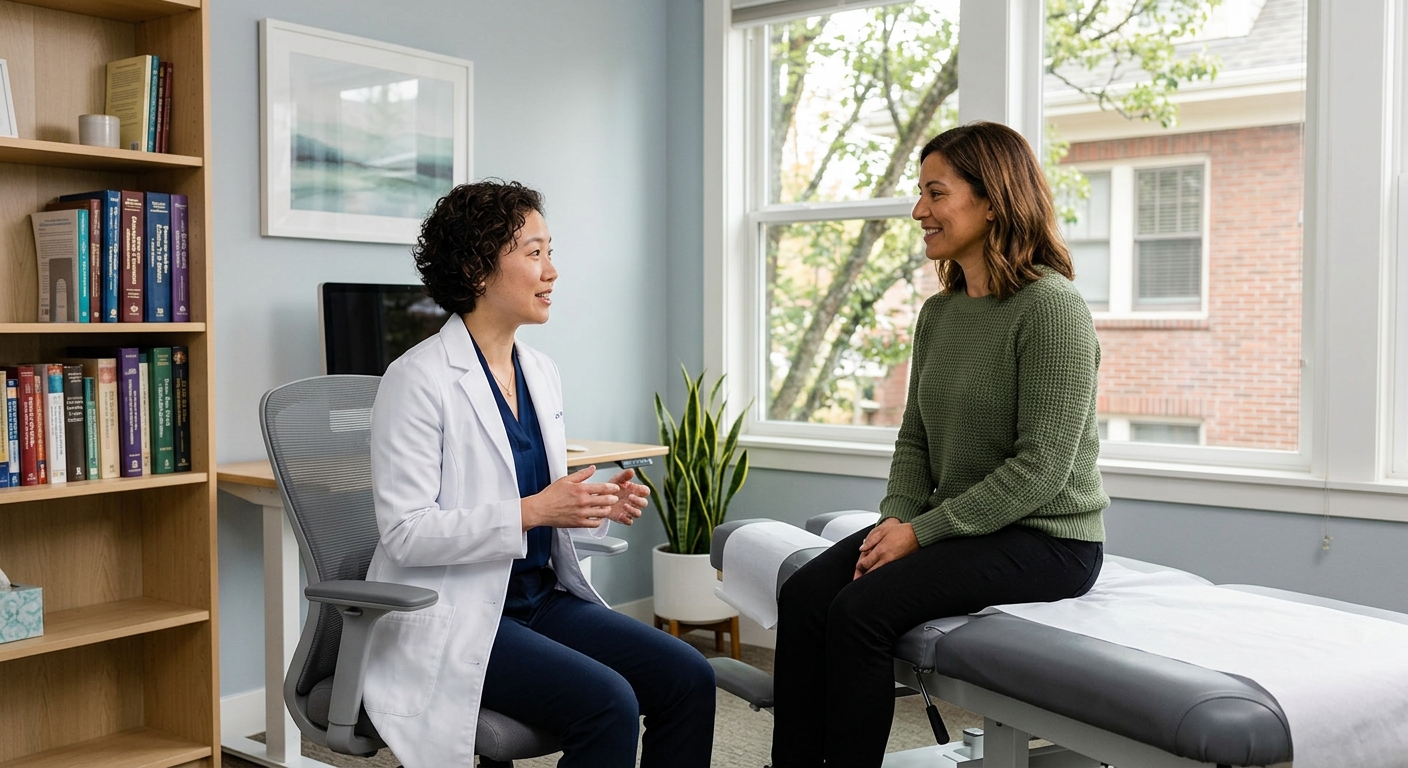
A thorough post-collision evaluation goes beyond asking where it hurts. A complete assessment should include a detailed mechanism-of-injury history (speed, direction of impact, head position at impact), orthopedic and neurological testing, range-of-motion measurement, and postural analysis. Imaging referrals — X-ray to rule out fracture, MRI for soft tissue evaluation — are ordered when clinical findings indicate them.
The Oregon Board of Chiropractic Examiners requires licensed chiropractic physicians to maintain documentation standards that support medical necessity. In practice, this means your records need to be detailed enough to justify every treatment to the insurer — a standard that protects you as much as it protects the provider.
Evidence-Based Treatment for Collision Injuries
Current clinical guidelines for whiplash and soft tissue collision injuries support active, multimodal care over passive rest. Treatment approaches with strong evidence for Portland collision injury care include:
- Spinal manipulation: Controlled force applied to restricted joints to restore movement and reduce pain signaling.
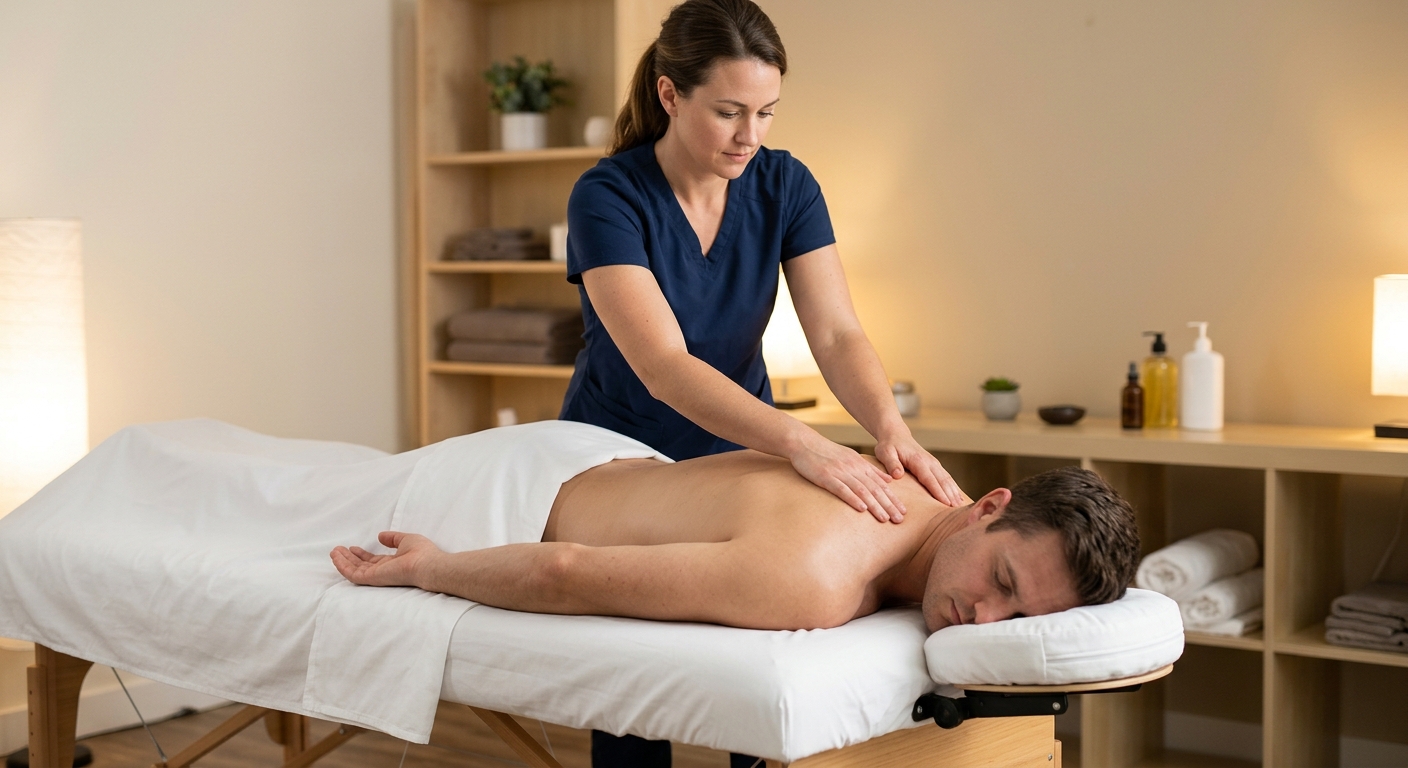
- Soft tissue therapy: Manual techniques targeting muscle guarding and fascial restriction that develop after trauma.
- Therapeutic exercise: Graduated movement programs that rebuild stability without aggravating healing tissue.
- Neuromuscular re-education: Retraining the coordination patterns disrupted by impact forces.
Passive modalities like ice, heat, and electrical stimulation have a supporting role early in care but should not be the primary treatment approach beyond the first few visits.
Recovery Timelines by Injury Type
Realistic expectations matter. Most uncomplicated whiplash cases resolve in six to twelve weeks with consistent treatment. Lumbar disc injuries typically require twelve to sixteen weeks. Concussion symptoms often clear in two to four weeks but can persist longer, particularly with prior head injury history. Thoracic outlet syndrome may need four to six months of targeted care.
Factors that extend recovery include delayed treatment start, high-speed impact, pre-existing degenerative changes, and psychological stress from the accident itself. None of these make recovery impossible — they just mean the treatment plan needs to account for them.
Red Flags That Require Immediate Medical Attention
Some symptoms after a collision indicate serious injury requiring emergency evaluation rather than outpatient care. Seek immediate care for: severe or worsening headache, vision changes, confusion or memory gaps, weakness or numbness radiating into arms or legs, loss of bladder or bowel control, or pain severe enough to prevent normal breathing. These are not situations to monitor at home.
When Specialized Chiropractic Care Makes Sense
Chiropractic care is particularly well-suited to the musculoskeletal injuries that dominate Portland collision cases — spinal joint restriction, muscle guarding, and nerve irritation that imaging often doesn’t capture but that significantly affect function and pain. A chiropractor with specific post-collision training can identify these patterns, document them properly for insurance purposes, and coordinate with other providers when the injury picture is complex.
Premier Care Chiropractic has worked with Portland collision injury patients since 2016. The clinic’s board-certified Chiropractic Sports Physician and licensed chiropractic physicians have handled Oregon PIP billing directly for nearly a decade, which means patients focus on recovery rather than paperwork. Same-day appointments are available for recent accidents.
If you’re navigating a collision injury and want to understand your options, visit our website for more information on how Portland collision injury care works at Premier Care.
Frequently Asked Questions
Do I need a referral to see a chiropractor after a collision in Oregon?
No. Oregon PIP allows direct access to chiropractic care without a physician referral.
What if my pain started two days after the accident?
Delayed onset is normal and does not disqualify you from PIP coverage. Document when symptoms appeared and seek evaluation promptly.
Can I see both a chiropractor and a medical doctor under PIP?
Yes. PIP covers treatment from multiple providers as long as total costs remain within your benefit limit and care is medically necessary.
Will my auto insurance rates go up if I use PIP?
Oregon law prohibits insurers from raising rates solely because you filed a PIP claim for an accident that wasn’t your fault.
Schedule a Collision Injury Evaluation
If you’ve been in a Portland collision and want a thorough evaluation, Premier Care Chiropractic offers same-day appointments with no upfront costs under Oregon PIP coverage. Call 971-544-7058 or schedule online to get started.