
Portland Motor Vehicle Injury Treatment: What to Expect
If you were just in a car accident in Portland, the most important thing to know is this: many serious injuries — especially soft tissue damage to the neck and spine — don’t cause significant pain for 24 to 72 hours. Waiting to see how you feel is one of the most common mistakes accident victims make. Getting evaluated quickly creates a medical record, protects your Oregon PIP (Personal Injury Protection) claim, and gives you a clear picture of what you’re actually dealing with.
This guide covers the most common motor vehicle injuries, how treatment works, what Oregon’s insurance rules mean for your costs, and realistic recovery timelines. If you’re looking for motor vehicle injury treatment in Portland, understanding these basics will help you make better decisions from the start.
Common Motor Vehicle Injuries and Why They’re Easy to Miss
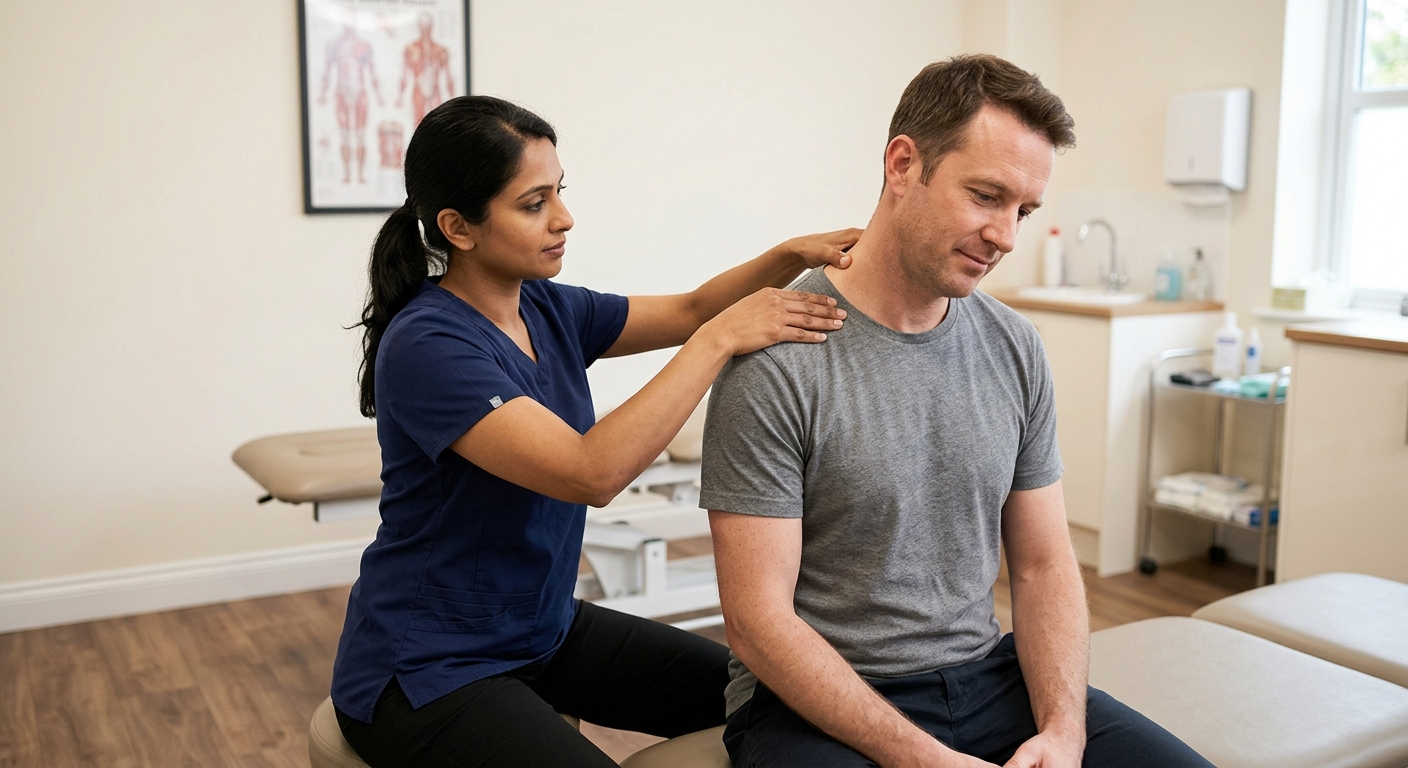
The injuries most frequently seen after Portland car accidents fall into a few distinct categories. Knowing what each involves helps you understand why certain treatments are recommended.
Whiplash and Cervical Strain
Whiplash occurs when the head snaps forward and backward rapidly, overstretching the muscles and ligaments of the cervical spine (neck). It’s the most common motor vehicle injury and also the most underestimated. Symptoms — stiffness, headaches, arm tingling — often peak two to three days after impact.
Lumbar Disc Injuries
The lower back absorbs enormous force during a collision, even at low speeds. A herniated disc — when the soft inner material of a spinal disc pushes outward — can compress nearby nerves. This produces sharp pain, leg numbness, or sciatica-like symptoms that radiate down one or both legs.
Concussion and Mild Traumatic Brain Injury
Any significant jolt to the head, including hitting a headrest or airbag, can cause a concussion. Cognitive fog, light sensitivity, and sleep disruption are hallmark signs. Concussions require careful monitoring and should not be dismissed as minor.
Rib and Thoracic Injuries
Seatbelt compression and steering wheel impact frequently cause rib bruising or fractures and thoracic (mid-back) joint dysfunction. These injuries make breathing uncomfortable and can limit mobility for weeks.
How Motor Vehicle Injury Treatment Works
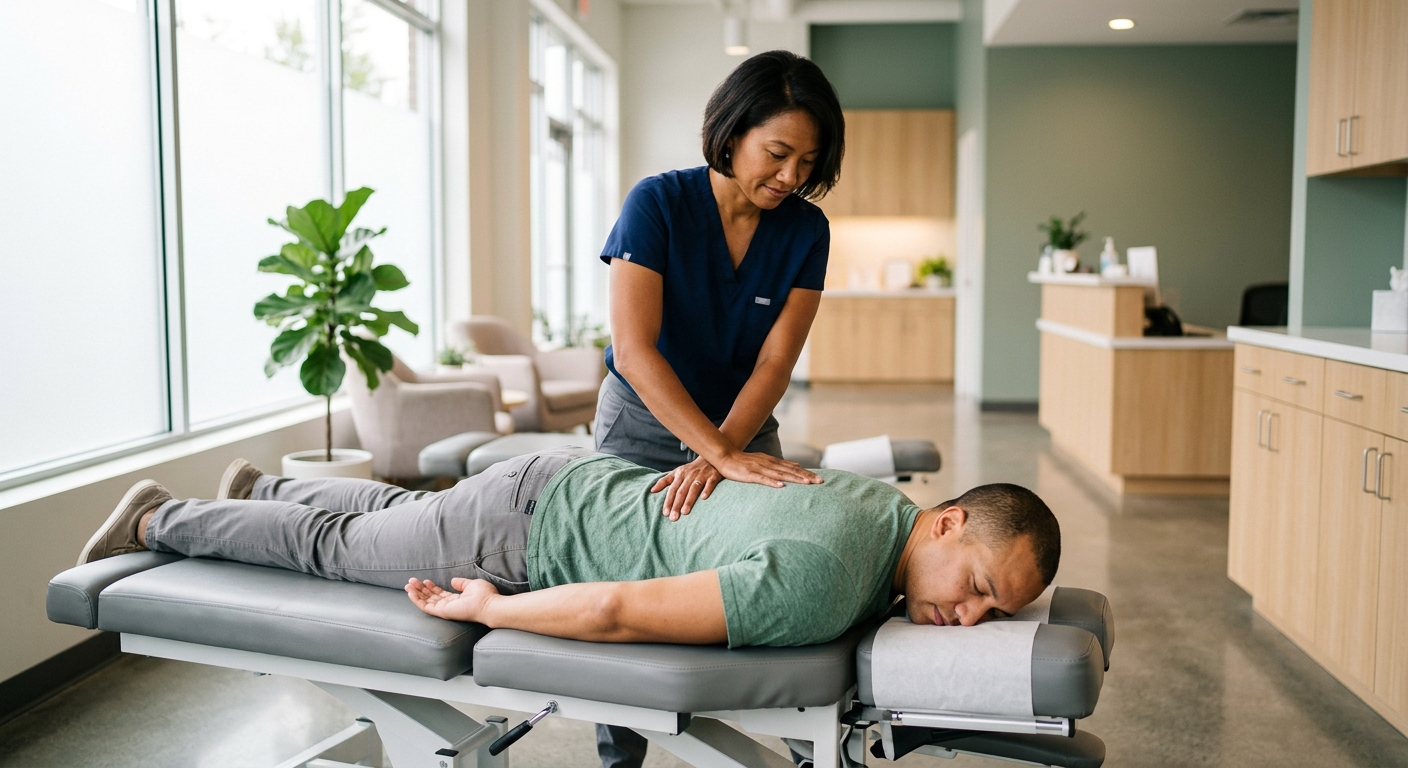
Effective motor vehicle injury treatment in Portland typically follows a structured sequence rather than a single appointment. The process generally looks like this:
Initial evaluation: A thorough orthopedic and neurological exam identifies which structures are injured. Imaging referrals — X-ray or MRI — are arranged when indicated. This documentation is essential for both your recovery and any insurance or legal claim.
Acute phase (weeks 1–3): The priority is reducing inflammation and restoring safe range of motion. Chiropractic adjustments, soft tissue therapy, and therapeutic modalities like electrical muscle stimulation are commonly used. Gentle mobilization during this phase prevents scar tissue from forming in restricted positions.
Rehabilitation phase (weeks 4–10): Once acute pain subsides, targeted exercises rebuild strength and stability in the injured area. This phase is critical for preventing re-injury and long-term chronic pain. Licensed massage therapists often work alongside chiropractors during this stage to address residual muscle guarding.
Functional restoration (weeks 10+): The goal shifts to returning you to your normal activities — work, exercise, and daily routines — without compensating movement patterns that create new problems.
Recovery timelines vary significantly. A straightforward whiplash case may resolve in six to eight weeks. More complex disc injuries or cases involving multiple body regions can take four to six months. Delayed treatment consistently extends recovery time, which is why early evaluation matters.
Oregon PIP Insurance and What It Means for Your Costs

Oregon law requires all auto insurance policies to include Personal Injury Protection coverage. PIP pays for your medical treatment regardless of who caused the accident — you don’t need to wait for fault to be determined or for the other driver’s insurance to respond.
Oregon’s minimum PIP benefit is $15,000 per person, which covers chiropractic care, massage therapy, and other medically necessary treatments. Many Portland residents have higher limits through their policies. Crucially, PIP also covers a portion of lost wages and other accident-related expenses.
One practical point that surprises many patients: you typically pay nothing out of pocket at the time of treatment when PIP is active. The clinic bills your PIP carrier directly. If your PIP is exhausted before treatment is complete, medical liens — agreements where the provider is paid from any eventual settlement — are another option worth discussing with your provider and, if applicable, your attorney.
Portland has a well-established network of personal injury attorneys who work on contingency with accident victims. If another driver was at fault, an attorney can pursue additional compensation beyond your PIP limits. A good chiropractic provider will coordinate documentation with your legal team if needed — detailed injury records directly support the value of a personal injury claim.
What to Look for in a Portland Motor Vehicle Injury Provider
Not every chiropractic clinic has deep experience with accident injuries specifically. Motor vehicle injury treatment requires familiarity with PIP billing, injury documentation standards, and the clinical nuances of trauma-related musculoskeletal damage. These differ meaningfully from routine chiropractic care for chronic back pain.
Look for providers with board certification in sports or rehabilitation chiropractic, which signals advanced training in injury management. Experience with Oregon PIP claims matters practically — it affects how smoothly your billing is handled and whether your records will hold up if your case goes to litigation.
Premier Care Chiropractic has treated Portland accident victims for nearly a decade, working with licensed chiropractic physicians and massage therapists who focus specifically on trauma-related injuries. The clinic offers same-day appointments and handles PIP billing directly, so patients aren’t navigating insurance paperwork while recovering from an accident.
Immediate Steps After a Portland Car Accident

Whether your accident happened on I-205, Highway 26, or a surface street in Southeast Portland, the steps immediately after matter for both your health and your claim.
- Get medical documentation the same day or within 72 hours, even if pain feels manageable.
- File a claim with your own auto insurer to activate PIP — this is separate from any claim against the at-fault driver.
- Keep a simple daily log of symptoms, pain levels, and how the injury affects your work and activities.
- Avoid giving recorded statements to the other driver’s insurance before speaking with your own provider or an attorney.
- Follow your treatment plan consistently — gaps in care are used by insurers to argue that injuries weren’t serious.
Portland’s wet winters and congested commuter corridors — particularly along I-84 and the Burnside corridor — contribute to a high volume of rear-end and multi-vehicle accidents each year. If you’ve been in one of these collisions, early evaluation is the single most protective step you can take for your recovery and your claim.
For more information about how chiropractic care fits into accident recovery, visit the Premier Care Chiropractic homepage or explore details about Oregon PIP coverage and chiropractic benefits.
Get Evaluated for Motor Vehicle Injury Treatment in Portland
Premier Care Chiropractic offers same-day appointments for accident victims with no upfront costs when Oregon PIP is active. Call 971-544-7058 to schedule your evaluation and get a clear picture of your injuries and your options.