
Portland MVA Specialist Mistakes That Cost You Most
Choosing the wrong Portland motor vehicle injury specialist — or working with the right one in the wrong way — can quietly unravel both your recovery and your insurance claim. Most Portland accident victims don’t realize the damage until weeks or months later, when a gap in documentation or a billing error surfaces at the worst possible moment. These five mistakes are the most common, and every one of them is preventable.

Mistake 1: Choosing a Specialist Who Doesn’t Understand Oregon PIP Insurance
Oregon’s Personal Injury Protection (PIP) system requires every auto insurance policy to carry a minimum of $15,000 in medical coverage per person, regardless of fault. That coverage is meant to pay your specialist directly — with no upfront cost to you. But it only works that way when your provider knows how to bill PIP correctly.
Many general practitioners and urgent care clinics in Portland bill PIP as they would standard health insurance, triggering denials, delays, and unexpected balances sent to the patient. A true motor vehicle injury specialist understands Oregon’s PIP statutes (ORS 742.520–742.542), submits documentation in the format insurers require, and follows up when claims stall. If your provider has never handled a PIP claim, you may end up paying out of pocket for care that should have been fully covered.
Before your first appointment, ask directly: Do you bill Oregon PIP, and do you handle the insurer communication on my behalf? A specialist experienced with Portland accident cases will answer yes without hesitation. For a deeper look at how PIP coverage works in practice, the Oregon Motor Vehicle PIP Insurance Explained guide walks through the billing process and what patients can expect.
Mistake 2: Waiting Too Long to Establish Care
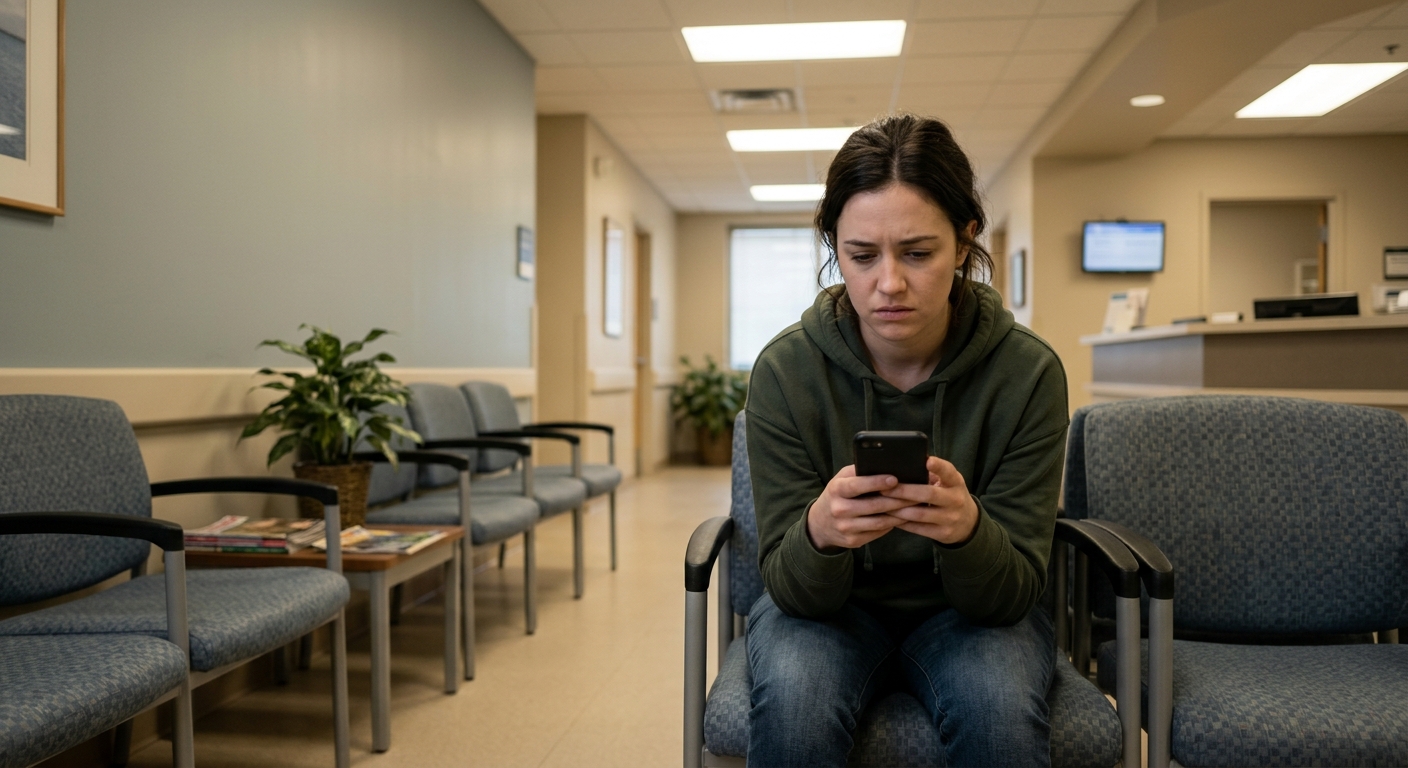
Oregon gives accident victims two years to file a personal injury lawsuit under ORS 12.110. That timeline feels generous — and it causes many Portland residents to delay seeing a specialist. It’s a costly misread of how the system actually works.
Insurers don’t wait two years. They look at the gap between your accident date and your first specialist visit and use it to argue that your injuries weren’t serious, or weren’t caused by the crash at all. A rear-end collision on the Burnside Bridge on a Tuesday and a first specialist appointment the following Monday creates a six-day gap that an adjuster will reference in every settlement negotiation.
The clinical reason to move quickly matters just as much. Soft tissue injuries — the sprains, strains, and ligament micro-tears that dominate Portland MVA cases — begin an inflammatory cascade within hours. Early intervention changes the tissue healing trajectory. Waiting doesn’t just hurt your claim; it makes your physical recovery harder. Oregon’s PIP clock also starts at the accident date, not the treatment date, so delays eat directly into your available coverage window.
If you’re unsure what to do in the first 48 hours after a crash, the Portland Collision Injury Care: What to Do First guide covers the sequence clearly.
Mistake 3: Treating All Motor Vehicle Injury Specialists as Interchangeable
An urgent care provider can rule out fractures. A primary care physician can prescribe pain medication. Neither is a substitute for a Portland motor vehicle injury specialist when it comes to the injuries that define most local MVA cases.
Whiplash-associated disorder (WAD) — the spectrum of cervical spine injuries caused by rapid acceleration-deceleration — requires grading using the Quebec Task Force classification system. Soft tissue injuries need documentation that distinguishes Grade I (pain and stiffness, no physical signs) from Grade II (musculoskeletal signs present) and Grade III (neurological signs present). That grading determines treatment protocols and, critically, carries weight in Oregon civil court if your case proceeds to litigation.
Portland also has a higher-than-average rate of cyclist and pedestrian MVAs, particularly on corridors like NE Broadway and around the Lloyd District. Injuries from these collisions often involve different biomechanical loading patterns than vehicle-to-vehicle crashes. A specialist who has only treated standard rear-end cases may miss findings that a provider experienced with pedestrian trauma would catch on intake.
Ask any prospective specialist: How do you document soft tissue injuries for medico-legal purposes, and have you provided records in Oregon personal injury cases before? The answer reveals more than their credentials alone.

Mistake 4: Failing to Keep a Consistent Record Between Appointments
Clinical notes from your specialist capture what happens in the treatment room. They don’t capture how your injury affects your life between visits — and that gap is where many Portland personal injury claims lose value.
A symptom journal maintained by the patient is not redundant with clinical documentation. It records functional limitations that a 20-minute appointment can’t fully capture: the morning you couldn’t turn your head to check your blind spot on I-205, the workday you left early because sitting became unbearable, the sleep disruption that has persisted for three weeks. Oregon personal injury attorneys rely on this patient-generated record to establish pain and suffering damages, which are not captured in billing codes.
Keep a daily log with four fields: pain level (0–10), specific functional limitations, any missed work or modified duties, and medications taken. Date every entry. Keep it in a dedicated notebook or app — not mixed into a general journal. Share it with your specialist at each visit so they can reference it in their own notes, creating a corroborated record that is far more durable than either source alone.
Mistake 5: Stopping Care Early Because Symptoms Improve
Symptom reduction is not the same as tissue healing. This distinction is clinically important and legally significant, and it’s one of the most common points of confusion for Portland MVA patients.
Soft tissue structures — particularly the cervical ligaments and intervertebral discs stressed in freeway merge accidents on I-5 or Highway 26 — follow a healing timeline that often lags behind subjective pain levels. A patient may feel 70% better at week four while still in the proliferative phase of tissue repair, when collagen fibers are being laid down in disorganized patterns that require continued therapeutic loading to remodel correctly. Stopping care at this point increases the risk of chronic instability and re-injury.
From a legal standpoint, early discharge creates a record that insurers use to argue maximum medical improvement was reached prematurely, capping their settlement liability. If you’re considering stopping treatment, ask your specialist two specific questions: Have we documented functional outcome measures that show objective improvement? and Is my clinical picture consistent with full tissue healing, or just symptom reduction? Those answers should drive the decision — not how you feel on a good week.
Understanding the full arc of recovery helps here. The Portland MVA Recovery: A Phase-by-Phase Healing Timeline breaks down what’s happening biologically at each stage and what your specialist should be tracking.

What Good Specialist Care Actually Looks Like in Portland
A well-run MVA specialist relationship has a clear structure from the first appointment through case resolution. At intake, the specialist takes a detailed history that includes accident mechanics, symptom onset timing, and any prior injuries to the same regions — because Oregon insurers routinely request prior medical records and will argue that pre-existing conditions account for current complaints.
Imaging referrals — X-ray, MRI, or both — are ordered based on clinical findings, not patient request. Functional outcome measures, such as the Neck Disability Index or Oswestry Low Back Disability Questionnaire, are administered at intervals to create an objective record of progress. If you’re working with an attorney, your specialist should communicate directly with that office and provide narrative reports in addition to SOAP notes (Subjective, Objective, Assessment, Plan — the standard clinical documentation format).
At Premier Care Chiropractic, which has been treating Portland accident victims since 2016, the intake process is specifically structured to capture the documentation that Oregon PIP insurers and personal injury attorneys require. Board-certified chiropractic sports physicians and licensed chiropractic physicians handle the clinical and medico-legal sides of each case — and same-day appointments are available so the critical early documentation window isn’t lost to scheduling delays.
The standard to hold any Portland motor vehicle injury specialist to is simple: they should be able to explain exactly how they document your case, how they bill your PIP coverage, and how they coordinate with your legal team if needed. If those answers are vague, keep looking.
Treated After a Portland MVA? Get the Specialist Relationship Right From Day One
Premier Care Chiropractic has handled Oregon PIP billing and medico-legal documentation for Portland accident patients since 2016. Same-day appointments are available, and there are no upfront costs when PIP coverage applies. Call 971-544-7058 to schedule.