
Portland Personal Injury Treatment: An Honest Guide
If you’ve been injured in a Portland accident, your first question is usually the same: what kind of treatment do you actually need, and who pays for it? The short answer is that most soft tissue personal injuries — whiplash, back strain, joint sprains — respond well to conservative, non-surgical care like chiropractic treatment and massage therapy. Oregon’s Personal Injury Protection (PIP) insurance pays for that care upfront, regardless of fault. Here’s what the full process looks like.
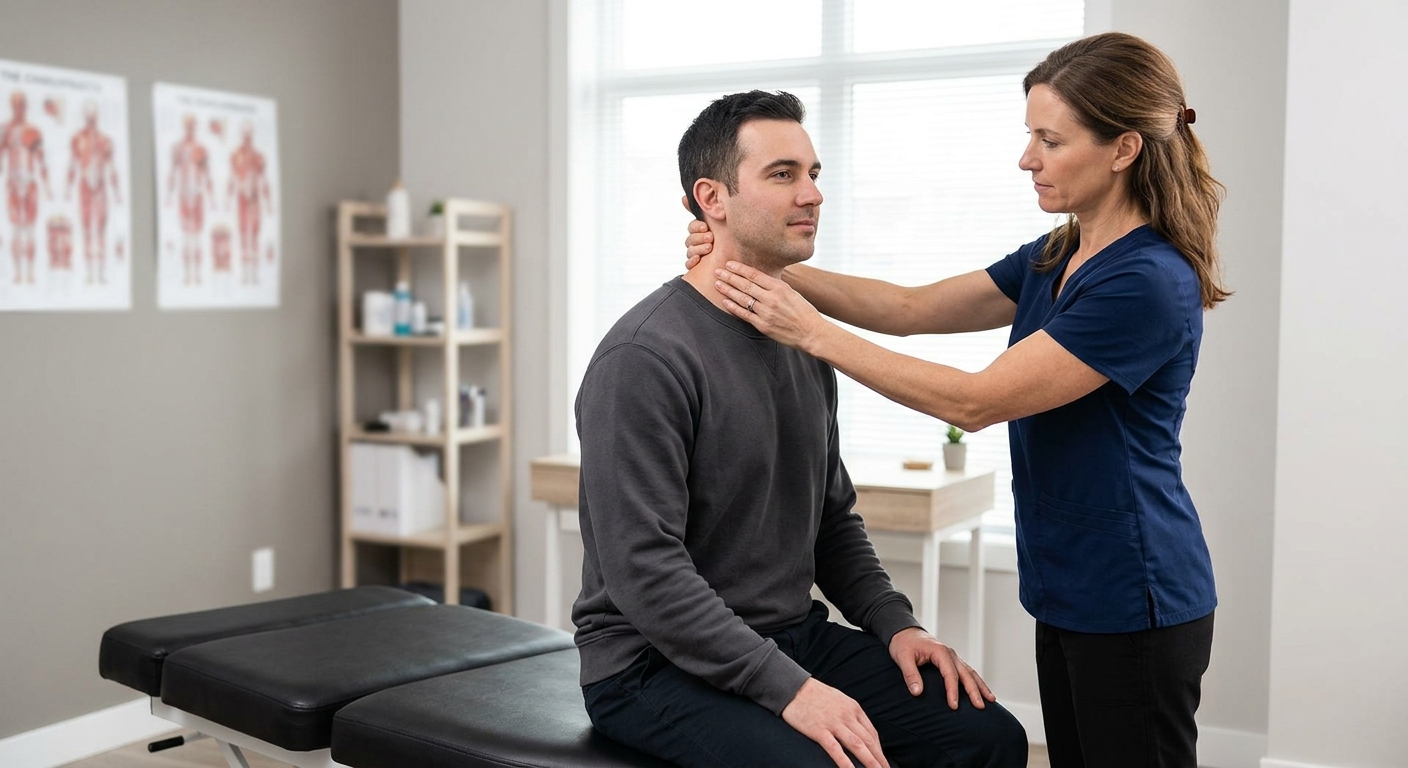
Common Personal Injury Types Requiring Treatment in Portland
Portland’s mix of highway merges, wet pavement, and heavy commuter traffic on corridors like I-5, I-84, and Powell Boulevard produces predictable injury patterns. Rear-end collisions are the most common, and they generate most of the soft tissue injuries chiropractors treat.
The most frequently seen conditions after a Portland accident include:
- Whiplash-associated disorder (WAD): Rapid flexion-extension of the cervical spine (neck) straining muscles, ligaments, and discs.
- Lumbar strain: Low back muscle and ligament injuries from the sudden compression of a collision.
- Thoracic joint sprains: Mid-back pain from seatbelt restraint or door impact.
- Shoulder and knee injuries: Often from bracing against a steering wheel or dashboard.
- Headaches and concussion symptoms: Cervicogenic headaches originating from neck injury are common and frequently underdiagnosed.
Oregon’s rainy season — roughly October through April — correlates with higher accident rates due to slick roads and reduced visibility. That means more injuries during months when Portland roads are already congested. If you’re unsure what type of injury you have, a detailed evaluation is the right starting point. Our post on what a Portland auto injury evaluation involves walks through exactly what to expect.
Chiropractic Care for Portland Personal Injury Recovery
Chiropractic care is one of the most evidence-supported non-surgical options for the musculoskeletal injuries that dominate personal injury cases. In Oregon, licensed chiropractic physicians are authorized to diagnose, treat, and document injuries within their scope of practice — which covers the spine, joints, and related soft tissues.
A typical personal injury treatment plan combines several approaches:
- Spinal manipulation: Restoring normal joint motion in the cervical and lumbar spine to reduce pain and improve function.
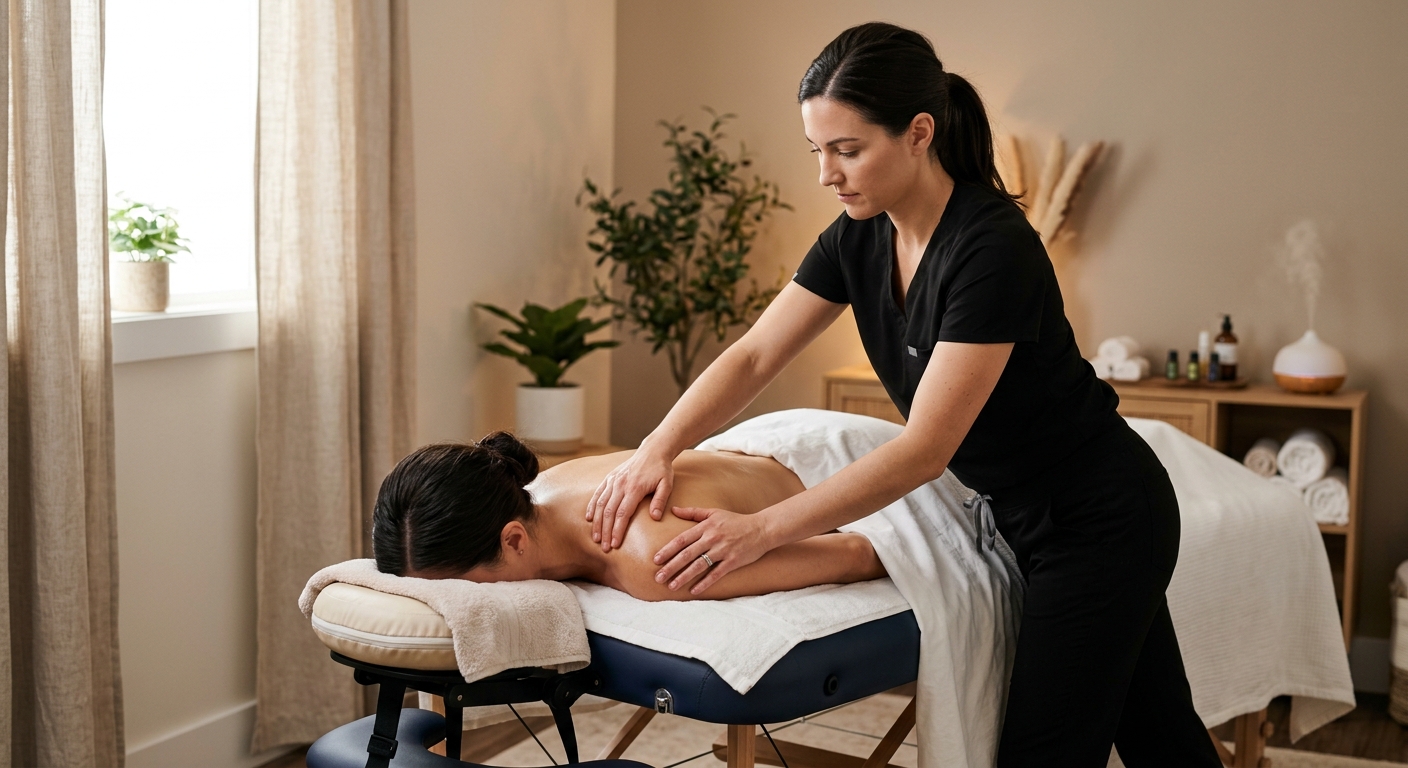
- Soft tissue therapy: Licensed massage therapists work alongside chiropractors to address muscle guarding and scar tissue formation.
- Therapeutic exercise: Targeted rehabilitation to rebuild strength and prevent chronic pain patterns from setting in.
- Modalities: Electrical stimulation, ultrasound, or cold laser therapy to reduce inflammation in acute phases.
Chiropractic care is not appropriate for all injuries. Fractures, severe disc herniations with neurological compromise, and internal injuries require medical or surgical evaluation first. A qualified injury chiropractor will refer out immediately when imaging or specialist care is warranted. For a deeper look at how soft tissue injury treatment works after a Portland crash, that resource covers the clinical process in detail.
Oregon PIP Insurance Coverage for Personal Injury Treatment
Oregon law requires every auto insurance policy to include Personal Injury Protection (PIP) coverage. PIP is a no-fault benefit, meaning it pays your medical bills regardless of who caused the accident. The minimum required coverage is $15,000 per person, though many policies carry more.
PIP covers chiropractic care, massage therapy, diagnostic imaging, and other reasonable medical expenses. It pays directly to your provider — you don’t pay out of pocket and then seek reimbursement. Treatment must begin within 90 days of the accident and be deemed medically necessary.
One detail that trips people up: PIP has a one-year benefit period from the date of the accident. If your injuries require treatment beyond that window, other coverage sources — health insurance or a third-party liability claim — become relevant. Understanding this timeline matters for treatment planning. The full breakdown of how Oregon PIP covers chiropractic care explains the benefit structure, billing process, and what to do if your insurer disputes a claim.
Treatment Timeline and Recovery Expectations
Recovery from a personal injury is rarely linear, and timelines vary significantly based on injury severity, age, and how quickly treatment begins. That said, general patterns are consistent enough to be useful.
Weeks 1–3 (Acute phase): The focus is pain reduction and inflammation control. Appointments are typically two to three times per week. Most patients see meaningful symptom improvement within the first two to four weeks.
Weeks 4–8 (Subacute phase): Treatment shifts toward restoring range of motion and beginning rehabilitation exercises. Visit frequency usually drops to once or twice weekly.
Weeks 9–16 (Rehabilitation phase): Strengthening and functional restoration. Some patients are discharged here; others with more complex injuries continue longer.
Delaying treatment is the most common mistake after a Portland accident. Adrenaline and inflammation can mask symptoms for 24–72 hours. Waiting weeks to seek care both slows recovery and creates documentation gaps that complicate insurance and legal claims.
Working with Your Legal Team
Many Portland personal injury patients are simultaneously working with an attorney on a liability claim against the at-fault driver. Medical treatment and legal claims are separate processes, but they intersect in important ways.
Your treatment records are the foundation of any personal injury claim. Consistent, well-documented care creates a clear picture of your injuries, their cause, and their impact on your daily life. Gaps in treatment — missing appointments or stopping care prematurely — can be used to argue that your injuries weren’t serious.
Chiropractors experienced in personal injury cases understand how to document findings in medically and legally useful terms. They communicate with attorneys when needed, provide narrative reports, and can serve as expert witnesses if a case goes to litigation. Oregon’s statute of limitations for personal injury claims is generally two years from the date of the accident, so there is time to pursue both treatment and legal remedies — but starting treatment promptly protects both.

Why Premier Care Chiropractic Treats Portland Personal Injuries
Premier Care Chiropractic has been treating Portland accident victims since 2016. The clinic’s board-certified Chiropractic Sports Physician and licensed chiropractic physicians have spent nearly a decade building direct experience with Oregon PIP billing, injury documentation, and the specific injury patterns Portland’s roads produce. That combination — clinical depth plus insurance and legal familiarity — is what makes personal injury treatment run smoothly for patients who are already dealing with enough.
Getting Started with Personal Injury Treatment
The process is straightforward. You call or come in; same-day appointments are available for accident injuries. You provide your auto insurance information. The clinic bills PIP directly — no upfront cost to you. Your first visit includes a full intake, injury history, orthopedic and neurological examination, and a treatment plan based on your specific findings.
If you need imaging or referral to another provider, those recommendations happen at the first visit. If you already have an attorney, the clinic coordinates with their office directly.
Frequently Asked Questions About Portland Personal Injury Treatment
Do I need a referral to see a chiropractor after an accident?
No. In Oregon, you can see a chiropractor directly without a physician referral. PIP covers the visit without requiring a referral.
What if I already went to the ER — do I still need chiropractic care?
Emergency rooms rule out fractures and life-threatening injuries. They rarely address the soft tissue injuries that cause ongoing pain. Chiropractic care addresses what the ER typically doesn’t treat.
Can I still get treatment if the accident was partly my fault?
Yes. PIP is no-fault coverage. It pays regardless of who caused the accident.
Will treatment affect my legal case?
Consistent, documented treatment strengthens a personal injury claim. Stopping treatment early or not seeking care at all typically weakens it.
How long will treatment take?
Most patients with moderate soft tissue injuries complete active treatment within eight to twelve weeks. More complex cases take longer. Your chiropractor will give you a realistic estimate after the initial evaluation.
Schedule Your Personal Injury Evaluation in Portland
Premier Care Chiropractic offers same-day appointments for accident injuries and bills Oregon PIP directly — no upfront costs. If you were recently injured in a Portland accident, call 971-544-7058 to schedule your evaluation. The sooner treatment begins, the better your recovery outcome tends to be.