
Portland Post-Accident Care: Choosing the Right Provider
After a crash in Portland, most people search for “car accident physical therapy” and then pick whoever is closest or whoever their ER referred them to. That habit can cost you — in slower recovery, insurance headaches, or documentation gaps that hurt a future injury claim. Portland has four distinct provider settings for post-accident rehabilitation, and each one serves a different injury profile and insurance situation. Knowing the difference before your first appointment matters.
The Four Main Provider Types for Post-Accident Physical Therapy in Portland
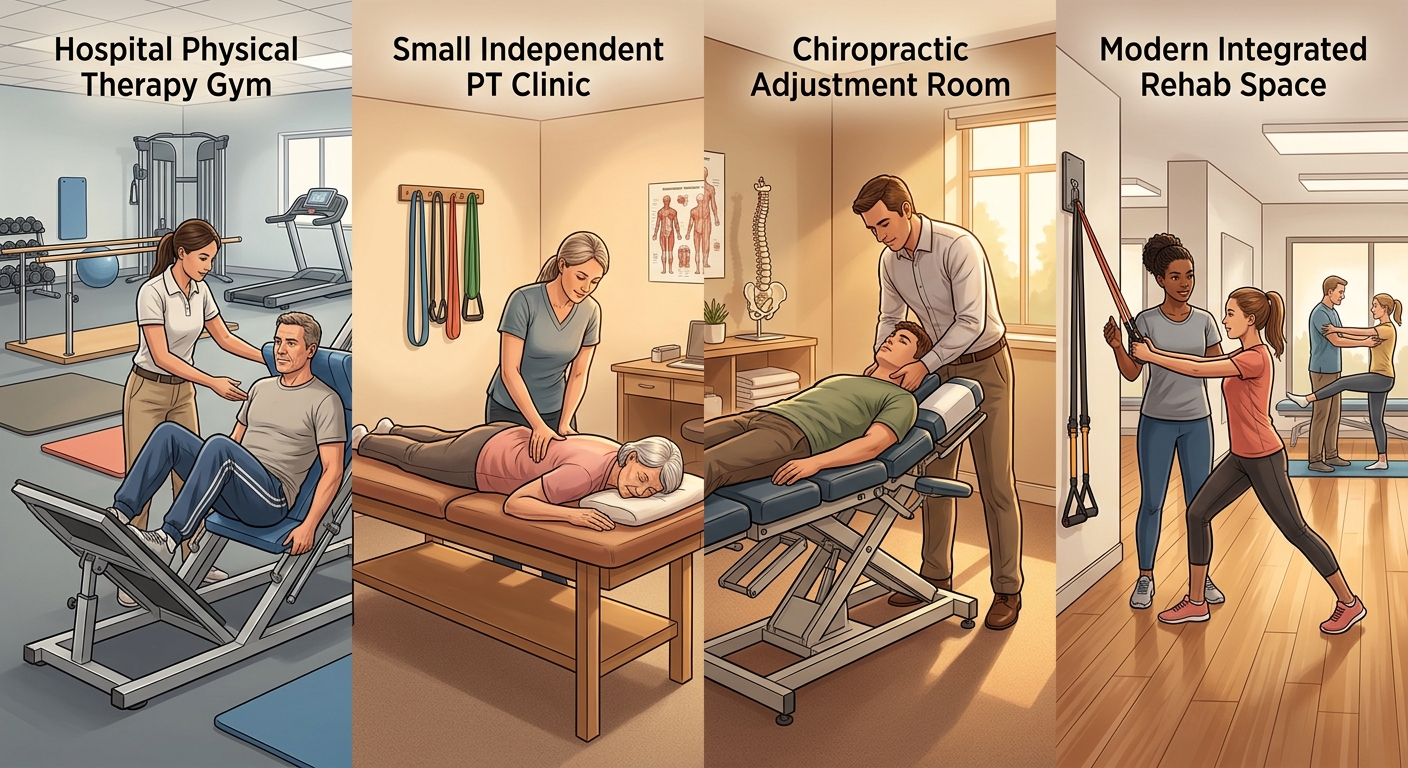
Hospital-affiliated PT clinics operate under the umbrella of systems like OHSU, Providence, or Legacy. They offer access to imaging, specialist referrals, and surgical coordination under one roof. Intake typically involves a physician referral and can take one to three weeks for an initial appointment. These clinics excel when injuries are complex or when a surgical consult may be needed.
Independent outpatient PT practices are privately owned clinics staffed by licensed physical therapists. They usually offer faster scheduling than hospital systems — often within a few days — and tend to provide more one-on-one treatment time. Their familiarity with personal injury documentation varies widely, so it is worth asking directly before committing.
Chiropractic offices with in-house rehabilitation combine spinal manipulation, soft tissue therapy, and functional rehab exercises in a single setting. Licensed chiropractic physicians manage the full course of care and often have deep experience with Oregon PIP billing and injury claim documentation. Same-day appointments are common. This model works especially well for whiplash, cervical strain, and lumbar injuries — the most frequent crash injury types in Portland.
Integrated multidisciplinary injury clinics bring chiropractors, physical therapists, massage therapists, and sometimes pain management physicians together under one roof. They offer the broadest treatment toolkit and can adapt as an injury evolves. Coordination between providers is built into the model, which helps with both clinical outcomes and claim documentation.
Understanding these differences is the first step toward making a choice that fits your specific situation. For a broader look at how these settings compare to urgent care and the ER, see this breakdown of Portland collision treatment options across provider types.
Matching Your Injury Type to the Right Provider Setting
Uncomplicated soft tissue injuries and whiplash — cervical strain, lumbar sprain, and myofascial pain — are the most common outcomes of Portland car accidents. These respond well to chiropractic manipulation, therapeutic massage, and progressive rehab exercises. A chiropractic office with in-house rehab or an integrated clinic handles these efficiently, with faster access and direct PIP billing.
Suspected disc injuries or radiculopathy — nerve pain that radiates into the arm or leg — require imaging confirmation and a provider comfortable interpreting MRI findings in a clinical context. A chiropractic sports physician or an integrated clinic can manage many disc cases conservatively. If imaging suggests herniation with significant neurological compromise, a hospital-affiliated clinic with spine specialist access becomes the stronger choice.
Concussion and vestibular involvement — dizziness, cognitive fog, balance disruption — call for providers trained in concussion rehabilitation protocols. Not every PT or chiropractic office has this training. Ask specifically whether the clinic has experience with post-concussion care before scheduling. Some integrated clinics in Portland include vestibular rehabilitation as part of their post-accident services.
Complex multi-system trauma — fractures, internal injuries, or cases requiring surgical evaluation — should begin with hospital-affiliated care. Once the acute phase resolves and surgical clearance is given, transitioning to a chiropractic or integrated setting for functional rehabilitation is appropriate and common.
How Oregon PIP Insurance Interacts With Different Provider Types

Oregon’s Personal Injury Protection (PIP) law, codified under ORS 742.524, requires every Oregon auto policy to carry a minimum of $15,000 in PIP benefits. PIP pays for reasonable and necessary medical treatment regardless of who caused the accident — no fault determination is needed before coverage begins. That matters because it means you can start care immediately without waiting on the at-fault driver’s insurer.
However, PIP billing works differently across provider types. Most chiropractic offices experienced in motor vehicle injury cases bill Oregon PIP directly, meaning you pay nothing upfront. Many independent PT practices also bill PIP directly, but some require payment at the time of service and leave you to seek reimbursement — a significant difference if you are managing finances after a crash.
Hospital-affiliated clinics bill through their standard health billing systems. PIP can cover those charges, but the coordination process is more complex, and you may receive separate bills from the facility, the physician, and ancillary services. Before your first appointment anywhere, ask: Do you bill Oregon PIP directly, and will I owe anything out of pocket before my benefits are exhausted?
For a detailed walkthrough of how PIP coverage applies to different treatment types, the Oregon motor vehicle PIP insurance guide covers the statute and common billing scenarios in plain language.
Wait Times, Accessibility, and Continuity of Care in Portland
In the Portland metro area, hospital-affiliated PT clinics commonly have intake wait times of one to three weeks, sometimes longer for specialty services. Independent PT practices typically schedule within three to seven days. Chiropractic offices focused on motor vehicle injuries often offer same-day or next-day appointments — a meaningful advantage when soft tissue injuries respond best to early intervention.
Continuity of care — seeing the same treating provider consistently — matters beyond clinical outcomes. In a personal injury claim, treatment records tell the story of your injury and recovery. Fragmented records across multiple providers, or frequent provider changes, create gaps that adjusters and opposing attorneys exploit. A setting where one provider oversees your full course of care produces cleaner, more defensible documentation.
Portland also has one of the higher rates of uninsured motorists in Oregon. If the at-fault driver carries no insurance, your PIP benefit becomes your primary source of treatment funding. Choosing a provider who bills PIP directly and understands uninsured motorist (UM) claim coordination protects you from unexpected out-of-pocket costs in that scenario.
Red Flags When Evaluating Any Post-Accident Provider

High patient volume with minimal one-on-one time is the most common complaint among crash victims who feel their care was inadequate. If a clinic schedules patients in fifteen-minute slots and delegates most hands-on work to aides or assistants, your documentation and treatment quality will both suffer.
Lack of personal injury documentation experience is a serious problem. Providers unfamiliar with injury claim requirements often write progress notes that do not capture functional limitations, mechanism of injury, or causal relationship to the crash — the exact elements an attorney or adjuster needs. Ask whether the clinic has experience preparing records for personal injury cases and whether they will coordinate with your attorney if you have one.
Generic treatment protocols are another warning sign. Crash biomechanics vary — a rear-end impact loads the cervical spine differently than a T-bone collision. A provider applying the same standardized protocol to every patient regardless of crash type is not tailoring care to your injury. That matters both clinically and in how your records read to an outside reviewer.
For a fuller list of selection mistakes Portland crash victims commonly make, this article on costly mistakes when picking a collision specialist covers the most damaging ones in detail.
Questions to Ask Before Your First Appointment
Use this checklist with any provider you are considering:
- Do you bill Oregon PIP directly, and will I owe anything upfront?
- How many patients does each provider see per hour, and how much of that time is one-on-one?
- Do you have experience preparing treatment records for personal injury claims?
- Will you coordinate with my attorney or adjuster if needed?
- How do you tailor your treatment approach to the specific crash mechanism — rear-end versus side-impact, for example?
- If my injury requires imaging or a specialist referral, how do you manage that coordination?
- What happens to my care if my PIP benefits run out before I have recovered?
A provider who answers these questions clearly and specifically — without deflecting — is demonstrating exactly the kind of transparency that protects you throughout the claims process.
Making a Confident Choice in Portland’s Post-Accident Care Landscape
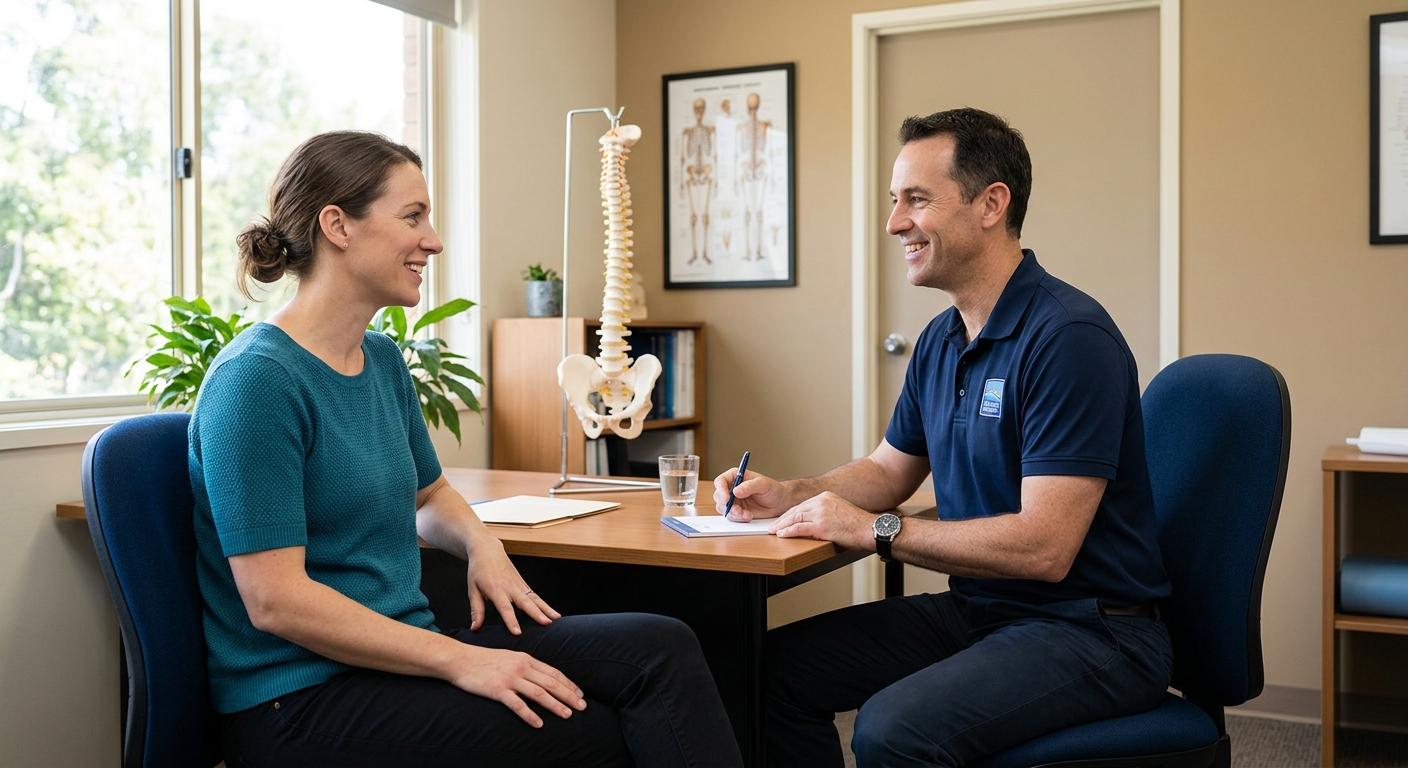
The best provider for Portland car accident physical therapy is not the closest one or the one your ER handed you a referral for. It is the one whose setting, expertise, and billing practices align with your specific injury, your insurance situation, and your need for coordinated documentation if a claim is involved.
For uncomplicated soft tissue and whiplash cases — the majority of Portland crash injuries — a chiropractic office with in-house rehabilitation or an integrated multidisciplinary clinic offers the fastest access, direct PIP billing, and the kind of injury-specific documentation that holds up in a claim. For complex or surgical cases, starting with hospital-affiliated care and transitioning to functional rehab makes more sense.
Premier Care Chiropractic has worked with Portland motor vehicle injury patients for nearly a decade, and the patterns in poorly documented cases are consistent: care started too late, provider changed too often, or billing coordination was left to the patient. Getting those three things right from the first appointment changes the trajectory of both recovery and the claim.
Talk to a Portland Provider Who Knows Motor Vehicle Injuries
If you are trying to decide where to start after a Portland crash, Premier Care Chiropractic offers same-day evaluations, direct Oregon PIP billing with no upfront costs, and nearly ten years of experience treating and documenting motor vehicle injuries. Call 971-544-7058 to speak with someone who can help you figure out whether our setting is the right fit for your injury — or point you in the right direction if it is not.